
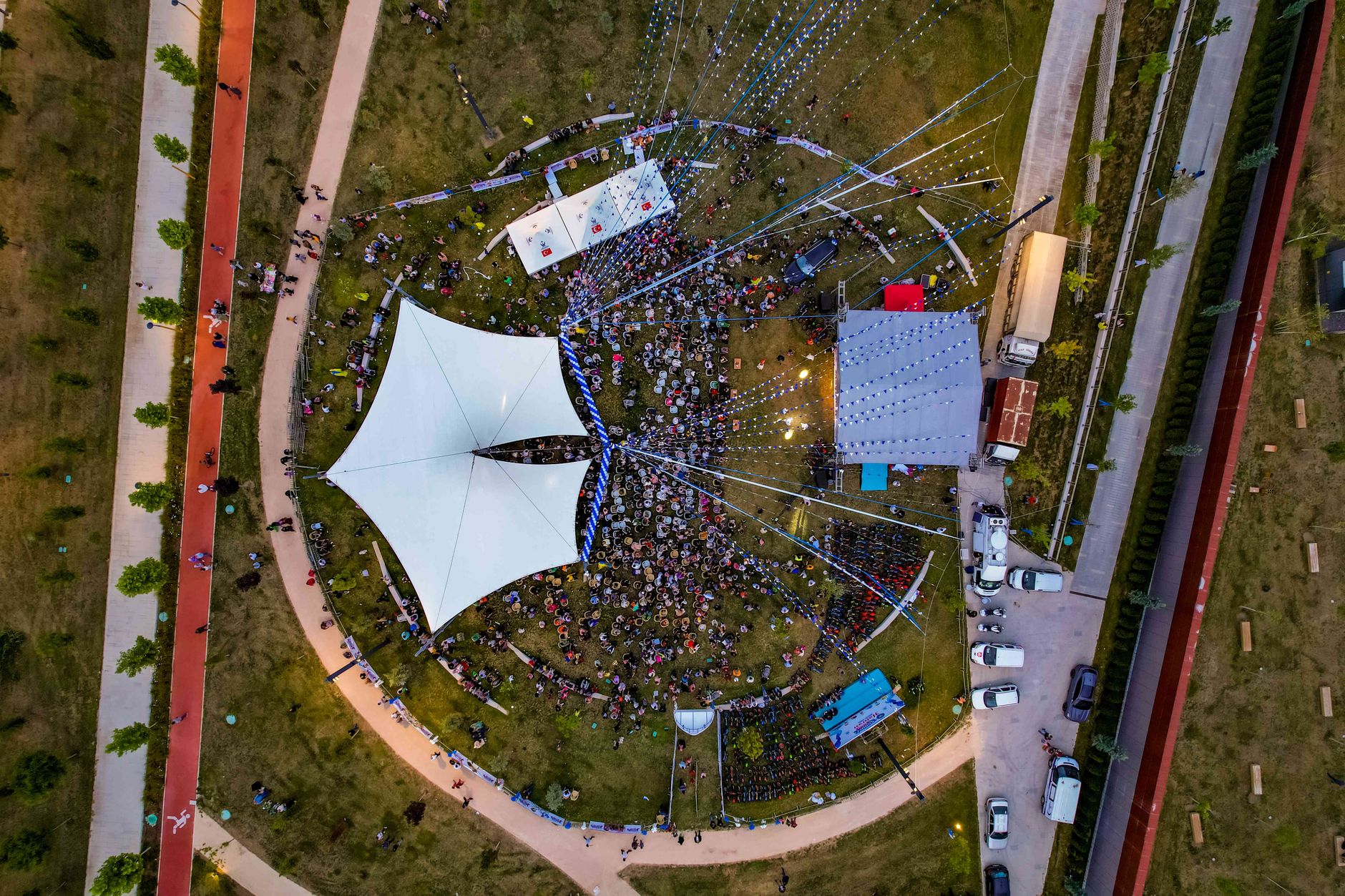
Planning an outdoor event means dealing with weather, space constraints, and guest comfort all at once. A tent rental solves those problems. It gives you a defined space, protects everyone from sun and rain, and turns any open area into a functional venue.
Tent rental companies set up tents for everything from backyard birthday parties to corporate galas. Here's what you need to know to rent the right tent, avoid surprises, and create the event space you're picturing.
Why Rent a Tent for Your Event
Tents do more than keep rain off your guests. They create structure.
An open lawn becomes a defined venue with clear boundaries. Guests know where the party happens. You can arrange tables, set up a bar, and create flow. Without a tent, people tend to cluster near buildings or wander.
Weather protection matters, obviously. Even if the forecast looks perfect, Texas weather changes fast. A tent means you don't reschedule a wedding because of a pop-up storm. Your catering setup stays dry. Guests stay comfortable.
Temperature control becomes possible too. You can add fans for summer events or heaters when it cools down. Under open sky, you're stuck with whatever nature delivers.
Tents also signal that an event is special. They transform a space. A basic backyard becomes something elegant. A parking lot turns into a festival ground. The tent itself creates atmosphere before you add a single decoration.
Types of Event Tents
Not all tents work the same way. Each style has strengths.
Frame Tents
Frame tents use a metal framework to support the canopy. No center poles. That means completely open interior space, so you can arrange tables and furniture however you want without working around obstacles.
They work on any surface. Grass, concrete, asphalt, pavers. If you're setting up in a driveway or parking lot, frame tents are usually your only option because they don't require stakes. They're anchored with weighted bases instead.
The look is clean and modern. Straight lines, taut fabric, professional appearance. They handle wind well because of the rigid structure.
Pole Tents
Pole tents need center poles and perimeter poles to hold up the canopy. They get staked into grass. The center poles create that classic peaked look with dramatic high ceilings.
They're gorgeous. The fabric swoops between poles in elegant curves. Many people prefer the traditional tent aesthetic for weddings and formal events.
The trade-off is those center poles. You have to plan table and furniture layout around them. For some events that's fine. For others it's a dealbreaker. And you need grass or soft ground for staking.
Clear Top Tents
Clear top tents use transparent vinyl panels instead of fabric. Guests can see the sky, stars, and trees overhead while staying protected from weather.
They're stunning for evening events. String lights inside a clear tent create magic. During the day, you get natural light without harsh sun.
Keep in mind that clear panels show everything. Dirt, water spots, and wear are more visible than on fabric canopies. They also cost more to rent.
Calculating the Right Tent Size
This is where most people get stuck. Too small and guests feel cramped. Too large and the space feels empty.
Start with your guest count. For a sit-down dinner with 8-person round tables, plan on about 10-12 square feet per person. That covers the table, chairs, and space to move between tables.
So 100 guests at tables need 1,000 to 1,200 square feet. A 20x50 or 30x40 tent works. That's tables only, though.
Now add your other elements. Buffet line? Add 100-150 square feet. Dance floor? Another 200-300 square feet for a decent size. Bar area? Plan 100 square feet minimum. DJ booth or band? At least 100 square feet.
For a 100-guest wedding with dinner, dancing, and a buffet, you're really looking at 1,400 to 1,500 square feet total. That pushes you to a 30x50 tent or larger.
Cocktail-style events need less space per person. If most guests will stand and mingle, you can get by with 6-8 square feet per person. But add high-top tables, lounge furniture, or food stations and the number climbs back up.
When in doubt, size up. A slightly roomy tent beats a cramped one every time. Guests appreciate breathing room. Staff can move through easily. The event feels relaxed instead of crowded.
What's Included in a Tent Rental
This varies by company, so always ask. Most tent rental companies include delivery, setup, and takedown in their quoted prices. Always confirm what's included upfront, as some companies charge separately for these services, especially for distant locations or complex installations.
The tent itself includes the frame or poles, canopy fabric, and standard anchoring (stakes for grass, weights for hard surfaces). Most rentals come with basic setup for the tent structure only.
What costs extra? Sidewalls, if you want to enclose the tent. Lighting inside the tent. Flooring or subflooring. Climate control like fans or heaters. Decorative elements like draping or liners. Tables, chairs, linens, and other furniture are separate rentals.
Some companies bundle packages. Tent plus tables and chairs together. That can simplify planning and sometimes saves money compared to renting each piece separately.
Get a written quote that lists exactly what's included. Make sure it specifies delivery, setup, and takedown. Confirm whether there's a damage deposit and what the cancellation policy covers.
Preparing Your Event Site
Tents need space. Not just the footprint of the tent itself, but clearance around it.
Measure your available area before calling for quotes. Length, width, and note any obstacles. Trees, power lines, buildings, fences. Tents can't go directly under low-hanging branches or wires.
Check the ground surface. Is it level? Badly sloped sites make setup difficult or impossible. Small slopes are usually fine, but steep grades require terracing or special equipment.
For grass installations, the ground needs to be soft enough to drive stakes. Rock-hard clay or extremely dry soil can be a problem. Let us know about ground conditions when you book.
If you're renting a tent for your property, walk the site a few days before the event. Move sprinkler heads if needed. Clear any debris. Mark underground utilities if you know where they run, or call 811 for a free utility locate. Tent installers don't drive stakes through water lines or electrical conduits.
Access matters too. Can a truck reach the setup area? Rental companies need to drive equipment and materials to the site. Narrow gates, low-hanging tree limbs, or blocked driveways complicate delivery.
Permits and Regulations
Local jurisdictions sometimes require permits for tent installations, especially for larger tents or public events. Requirements vary.
According to the National Fire Protection Association, tents larger than certain sizes used for public assembly may need permits and inspections. Regulations cover fire safety, anchoring, and egress.
For residential properties hosting private parties, permits are less common but not unheard of. City or county rules may apply depending on tent size, guest count, or event duration.
Commercial properties and public venues usually have their own requirements. Parks departments, for example, often require proof of insurance and approved permits before allowing tent installation.
Tent rental companies can often guide you through typical requirements for your area, but ultimately securing permits is the event host's responsibility. Start that process early. Permit applications can take weeks.
Pricing and What Affects Cost
Tent rentals typically range from $200 for a small basic tent to $1,500 or more for large tents with extras. Prices vary widely by tent size, event type and extras.
Size is the biggest price factor. A 10x10 canopy costs far less than a 40x80 tent. More square footage means more materials, heavier equipment, and longer setup time.
Tent style affects price too. Frame tents generally cost more than pole tents of the same size because the framework is more complex. Clear top tents sit at the premium end.
Rental duration matters. Most quotes assume a one-day rental with setup the day before and teardown the day after. Multi-day events or week-long rentals increase the cost.
Add-ons stack up quickly. Sidewalls run $50 to $150 per section. Lighting packages range from $100 to $500 or more depending on type and amount. Flooring can double your tent cost for formal installations.
Seasonality plays a role. Peak season from April through October sees higher demand and sometimes higher pricing. Book early for spring and fall dates. Winter events often have more availability and flexibility.
Location affects delivery costs. Many rental companies include standard delivery, but very distant sites or difficult access may incur additional charges.
Booking Timeline
How far ahead should you reserve a tent? It depends on your event date and scale.
For weddings and large events, start 3-6 months out. Popular dates book up. Spring weekends disappear fast. If your date is flexible, you'll have more options. If it's locked in, reserve early.
Standard parties and corporate events typically need 4-6 weeks advance booking. That gives you time to plan, get quotes from multiple vendors, and secure your preferred tent size and style.
Last-minute rentals are sometimes possible, with some companies able to set up tents with a week's notice when inventory allows. But you might not get your first choice of size, style, or date. And you'll need to move quickly on decisions.
Once you book, confirm all details in writing. Date, tent size and type, delivery time, any add-ons. Review the contract before signing. Make sure it includes setup and takedown unless you're handling that yourself (not recommended).
Pay attention to the cancellation policy. Most companies require deposits. Understand what happens if you need to cancel or change dates. Weather clauses matter too. What if a hurricane forces you to postpone?
Day-of Logistics
Setup usually happens the day before your event. The rental company arrives, installs the tent, and leaves everything ready. That way you have time to decorate, arrange furniture, and handle final prep without workers underfoot during the event.
Be available by phone during setup in case questions come up. Site conditions sometimes require small adjustments. We might need to shift the tent a few feet or discuss sidewall placement.
Once the tent is up, ask to do a walk-through. Check that doors and sidewalls are where you want them. Verify that the tent is positioned correctly relative to other site elements. It's much easier to make changes before your event than during it.
During your event, tents need minimal attention. They're designed to stand up to normal weather. If high winds are forecast, rental companies can add extra anchoring. Severe weather like thunderstorms might require evacuating the tent temporarily.
After your event, the rental company returns to break down and remove the tent. You don't need to do anything. Just make sure the tent is empty and we have access to the site.
Common Mistakes to Avoid
Underestimating space needs tops the list. People cram too much into a tent. Remember that square footage calculation includes everything, not just tables. Leave room to breathe.
Ignoring site conditions causes problems. Tent companies can't set up on ground they can't access or stake into concrete. Visit your site first. Measure. Take photos. Share those with your rental company.
Skipping sidewalls when you need them creates issues. Open-sided tents work great in perfect weather. But wind, sun angle, and privacy matter. Think about whether you want some sides enclosed.
Forgetting about lighting is common. Tents block natural light even during the day. As soon as the sun sets, a tent without lights goes dark. Plan for it. Either rent lighting or arrange your own.
Not considering temperature is a mistake for events outside moderate weather months. Summer tents need fans or AC. Winter events need heaters. Comfortable guests stay longer and enjoy themselves more.
Booking too late limits your options. Popular dates and prime tent styles get reserved early. If your event matters, don't wait.
Working With Famous Tent Rentals
We keep the rental process straightforward. Call us at (832) 302-5588 or request a quote online.
Tell us about your event. Date, location, guest count, event type. We'll discuss tent options that fit your needs and budget. No pressure. Just clear information about what works for your situation.
Famous Tent Rentals offers event tent rentals and tent packages with tables and chairs.
Famous Tent Rentals is located at 10310 Antoine Drive B in Houston.
Making Your Event Tent Special
A tent is a blank canvas. What you do inside it matters as much as the tent itself.
Lighting transforms the space. String lights create warmth. Uplighting highlights the tent structure. Chandeliers add elegance. Even simple bistro lights strung overhead change the entire atmosphere.
Draping softens the look. Fabric panels hung along the interior perimeter or across the ceiling hide tent mechanics and create a finished, designed feel. White draping works for formal events. Colored fabrics match themes.
Flooring elevates the experience, literally and figuratively. It levels uneven ground, protects guests' shoes, and makes the space feel intentional. Wood-look flooring brings warmth. White flooring brightens the tent.
Climate control keeps guests comfortable. Even perfect weather forecast doesn't guarantee perfect temperature at event time. Fans move air. Heaters take the chill off. Guests who are comfortable stay longer and have more fun.
Furniture choices set the tone. Formal events call for rounds with linens. Cocktail parties use high-tops and lounge groupings. Corporate events might need theater-style rows or conference setups. The tent accommodates whatever layout you need.
An event tent turns outdoor space into a real venue. It protects your plans from weather, defines your event footprint, and creates the setting for memories. Rent the right tent, plan for guest comfort, and everything else falls into place.
Frequently asked questions
How much does it cost to rent a tent for an event?
Basic tent rentals typically start around $200 for smaller sizes and can range up to $1,500 or more depending on size, style, and add-ons. Your final price depends on guest count, event type, and whether you need extras like sidewalls, lighting, or climate control.
What size tent do I need for 100 guests?
For 100 guests seated at tables with a buffet or bar area, you'll typically need 1,000 to 1,200 square feet of tent space. That's roughly a 20x50 or 30x40 tent. If you're planning cocktail-style with mostly standing room, you can go smaller. Add dance floors, stages, or extra lounge areas, and you'll want to size up.
What is the difference between a frame tent and a pole tent?
Frame tents use a metal framework to support the canopy, so they don't need center poles and offer completely open interior space. They work on any surface including concrete and asphalt. Pole tents require stakes driven into grass and have center poles, but they create dramatic peaked ceilings and often cost less.
How far in advance should I book a tent rental?
Book at least 4-6 weeks ahead for standard events, and 3-6 months for weddings or events during peak season (April through October). Popular dates like spring weekends fill up fast. Last-minute rentals are sometimes possible, but your options will be limited.
Do I need flooring for my event tent?
Flooring isn't always necessary, but it makes sense if your event site has uneven ground, you're setting up on concrete or asphalt, or you want an elevated, finished look. For formal events with guests in dress shoes, flooring adds comfort and stability. Grass sites in good condition often work fine without it.
Are setup and delivery included in tent rental prices?
Most tent rental companies include delivery, setup, and takedown in their quoted prices, and we do too. Always confirm this upfront. Some companies charge separately for these services, especially for distant locations or complex installations.